“The sea taught me to have courage.”
An interview with awarded director David Schurmann @ Cannes Film Festival.
by Luciana Dolabella
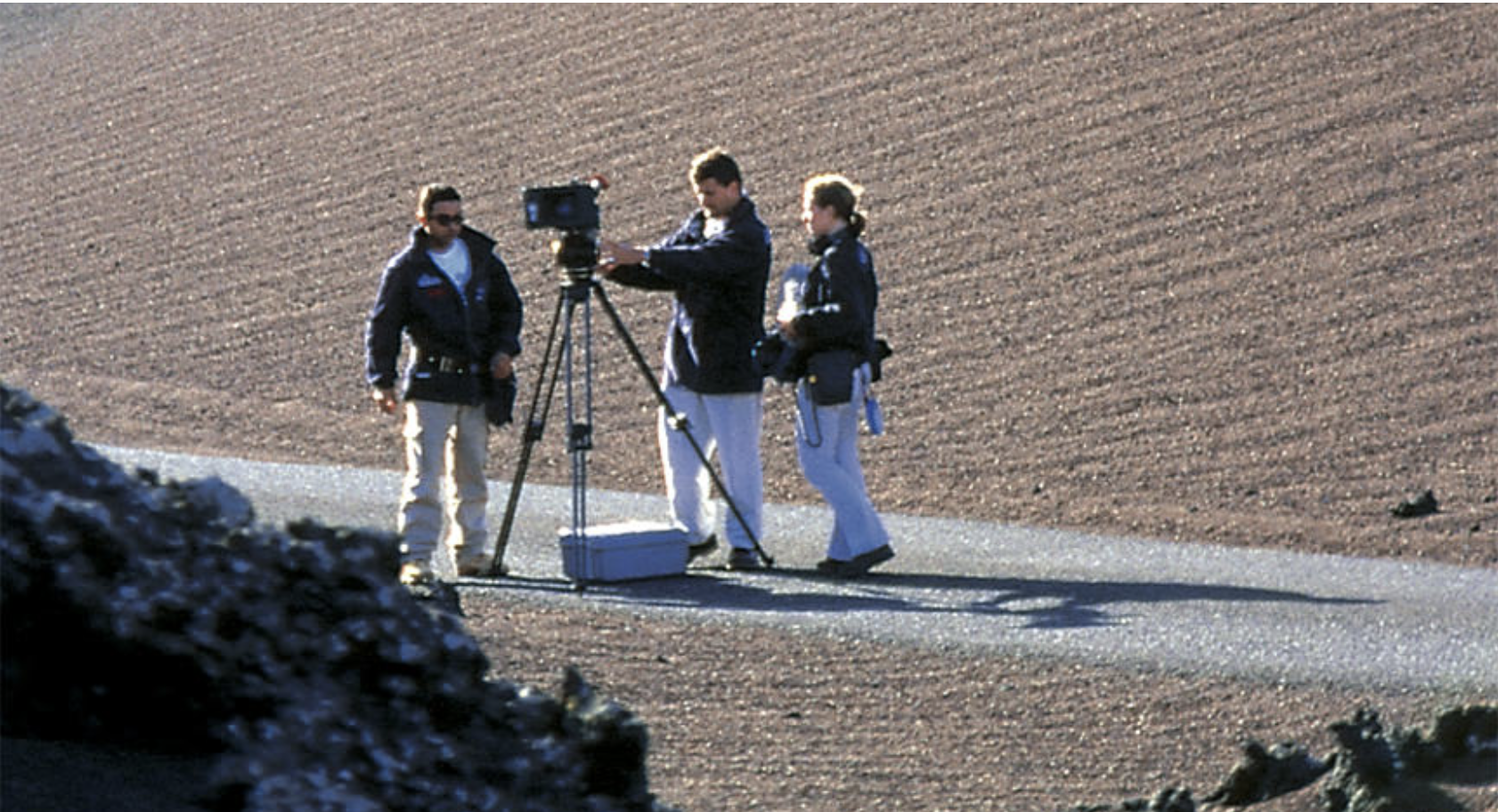
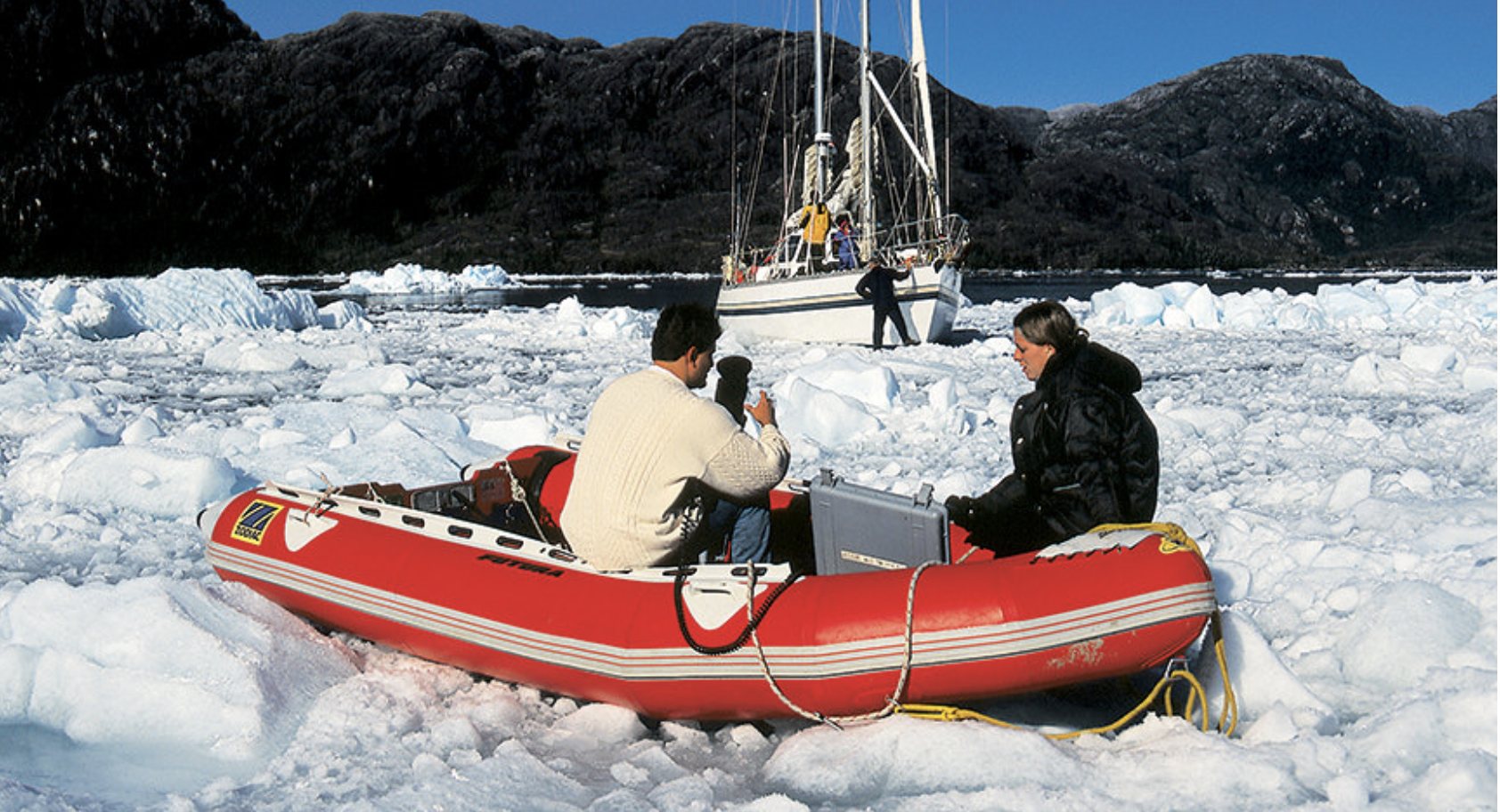
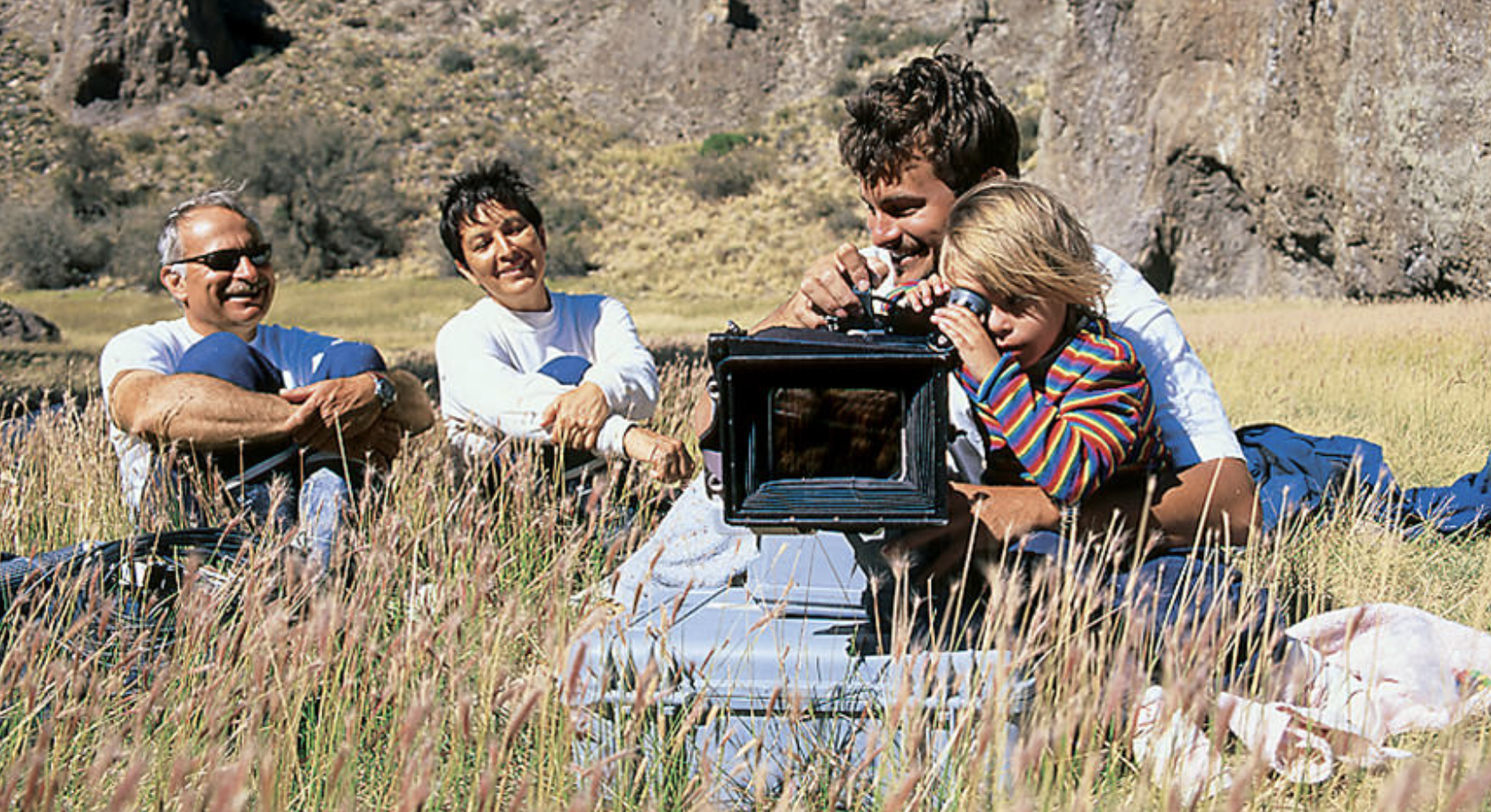
Pictures: Copyright © Schurmann Filmes 2025. All rights reserved.
Director David Schurmann brings the world with him on his films. Passionate about cinema from a young age, he ventured into his first mini documentary at the age of 13. At the time, he was living on a sailing boat in the middle of the Ocean. Coming from a family of famous Brazilian sailors, he was exposed to all kinds of cultures around the world from an early age. At the age of 16, he decided to go stay alone in New Zealand to study film, whilst his family continued their sailing through the oceans. Then, for more than a decade he worked on many documentaries for TV before deciding to work with cinema fiction.
His first feature film was the Brazilian film nominated for an Oscar in 2017. His second feature was an American production filmed in three countries and in four languages. The third film is the Brazilian film, “Por um fio”, about the history of the Brazilian public health system (SUS), based on a book by famous Brazilian doctor Drauzio Varella, and his fourth feature is another international film that will be filmed in the middle east. On this interview David reflects on being a film director, challenges, next films and stories to tell.
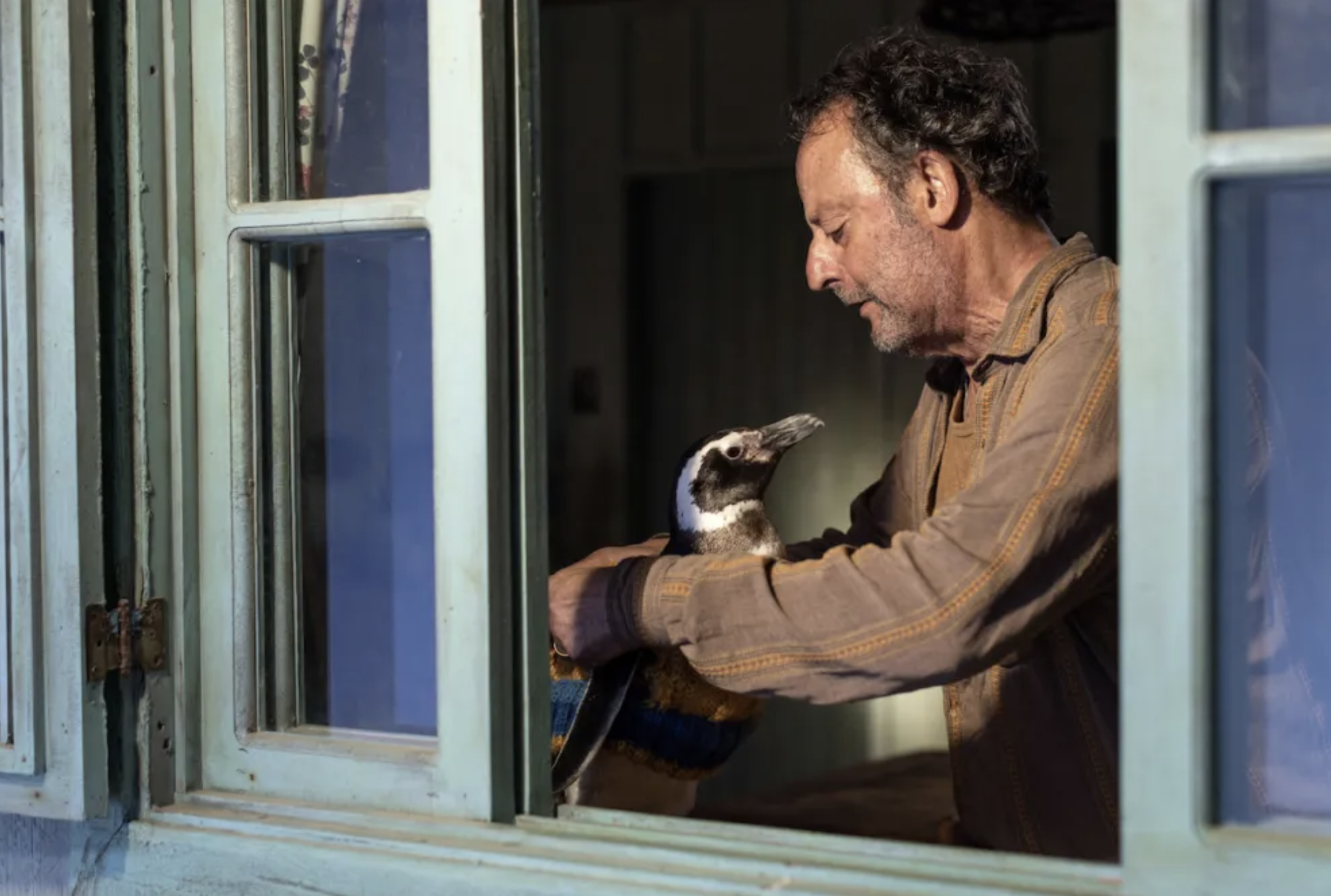
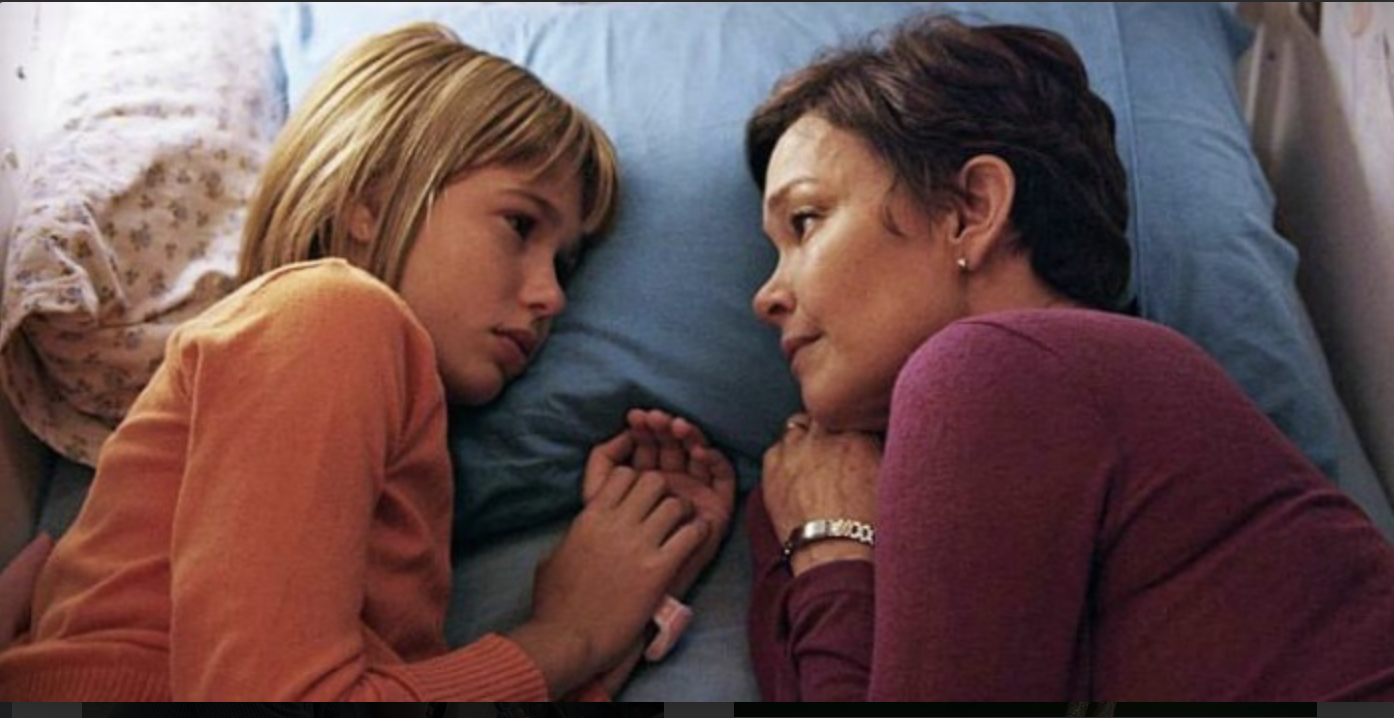
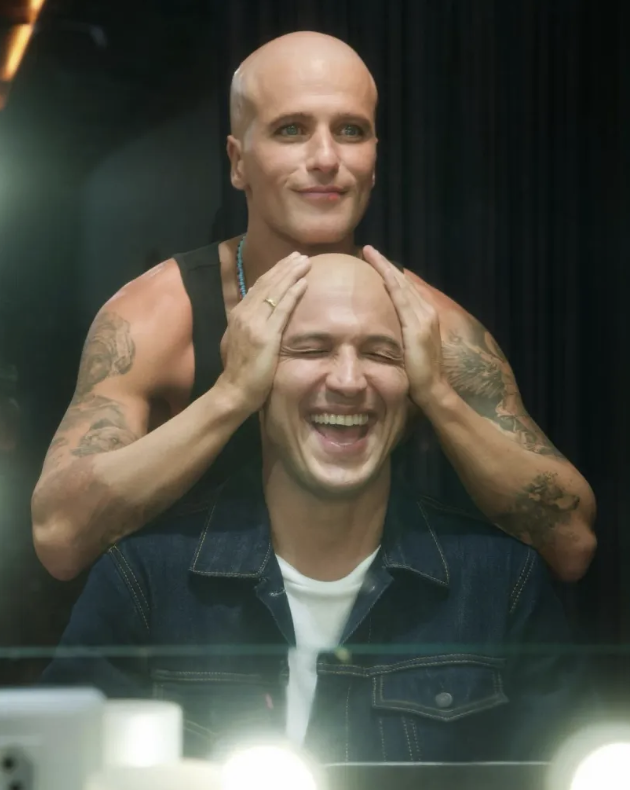
Pictures, left to right: “My Penguin Friend”, “Little Secret”, “By a Thread”
Copyright © Schurmann Filmes 2025. All rights reserved.
Dolabella: How did you get started in film?
Schurmann: It came naturally. I fell in love with cinema because I grew up on a sailing boat from the age of 10. The only entertainment we had was music and films. And, strange as it may seem, in the 1980s, every island we visited had a cinema. So I was exposed to that world at an early age and I loved telling stories – and I still do today! Sometimes the cinema had only wooden benches. But it was a great experience. The moment the lights went down and the film started, I was transported to that world. I’d say to people: “Wow, I just love the cinema!” Then I started recording my family’s stories around the world. My parents gave me a camera when I was 13. My first mini-documentary was three and a half minutes long I made when we crossed the Panama Canal. I managed to edit the material and added music. Everyone liked it and was moved by it. That’s how I started. From then on my brother was my actor for a while. We had a lot of fun and I could experiment many things on filming. When we arrived in New Zealand at the age of 16, I told my parents I wanted to stay in the country and study film there.
Dolabella: So young! What about your parents?
Schurmann: My parents always raised me to do whatever I wanted. But my mum says the saddest moment of her life isn’t when ‘the child leaves home’, but when the home goes away and leaves your child behind. Because they left and I stayed in the country. She said she saw me getting smaller and smaller on the horizon and it was hard for her. This happened before the internet, before all the things we have today to communicate. I graduated there and when I was 19 I was hired to work in television program.
Dolabella: All that by yourself, so young, in New Zealand …
Schurmann: Yes. I lived there for a few years. In the meantime, my parents had already returned to Brazil. The family had become well known there. And then one day my dad called me and said “We’re going to sail around the world again. Do you want to come along?” and I replied: “I do, but this time I’m going to film the whole thing!” We filmed for two and a half years and made the film “O mundo em duas voltas” („Two times around the world“), which was one of the most-watched documentaries in Brazilian cinemas. Then we made the series that became very well known on the very popular Brazilian TV Programm “Fantástico”, by TV Globo. In 2000 I returned to Brazil. I thought it would be for two years, but 25 years have gone by. I made many series and films for the channel National Geographic. Always documentaries, for more than a decade. Until the story of my sister, Cat, came along, which I then decided I wanted to tell as fiction. (“Little Secret”, 2016)
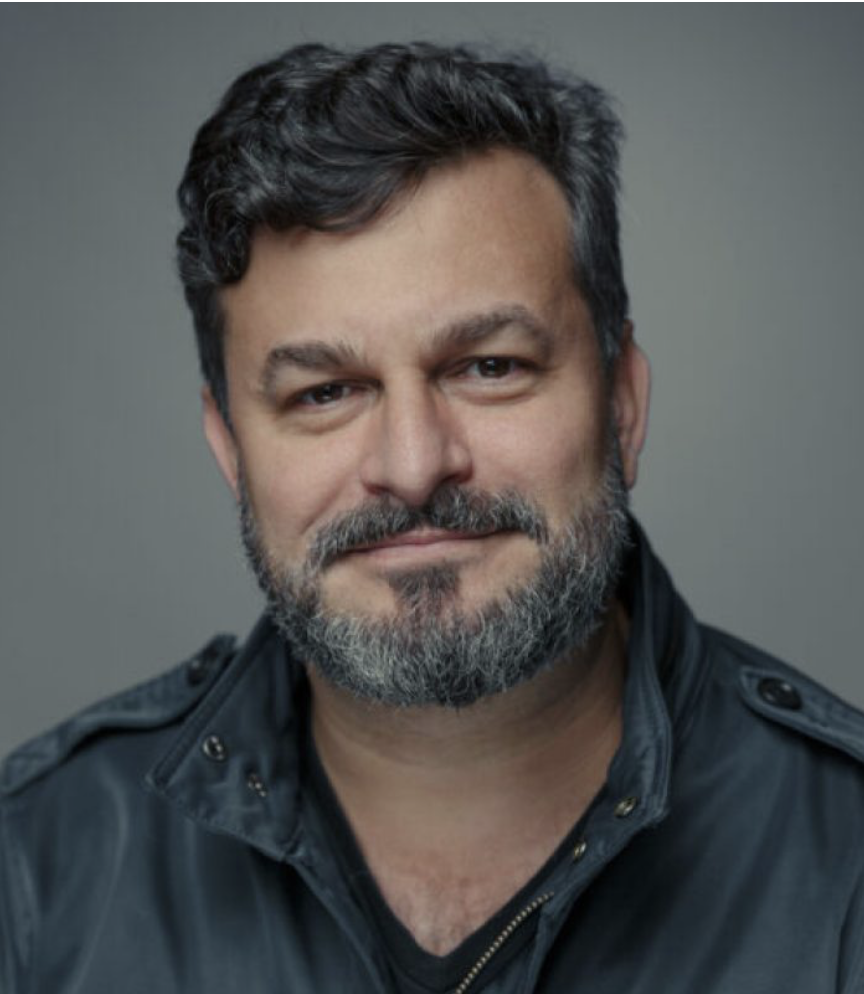
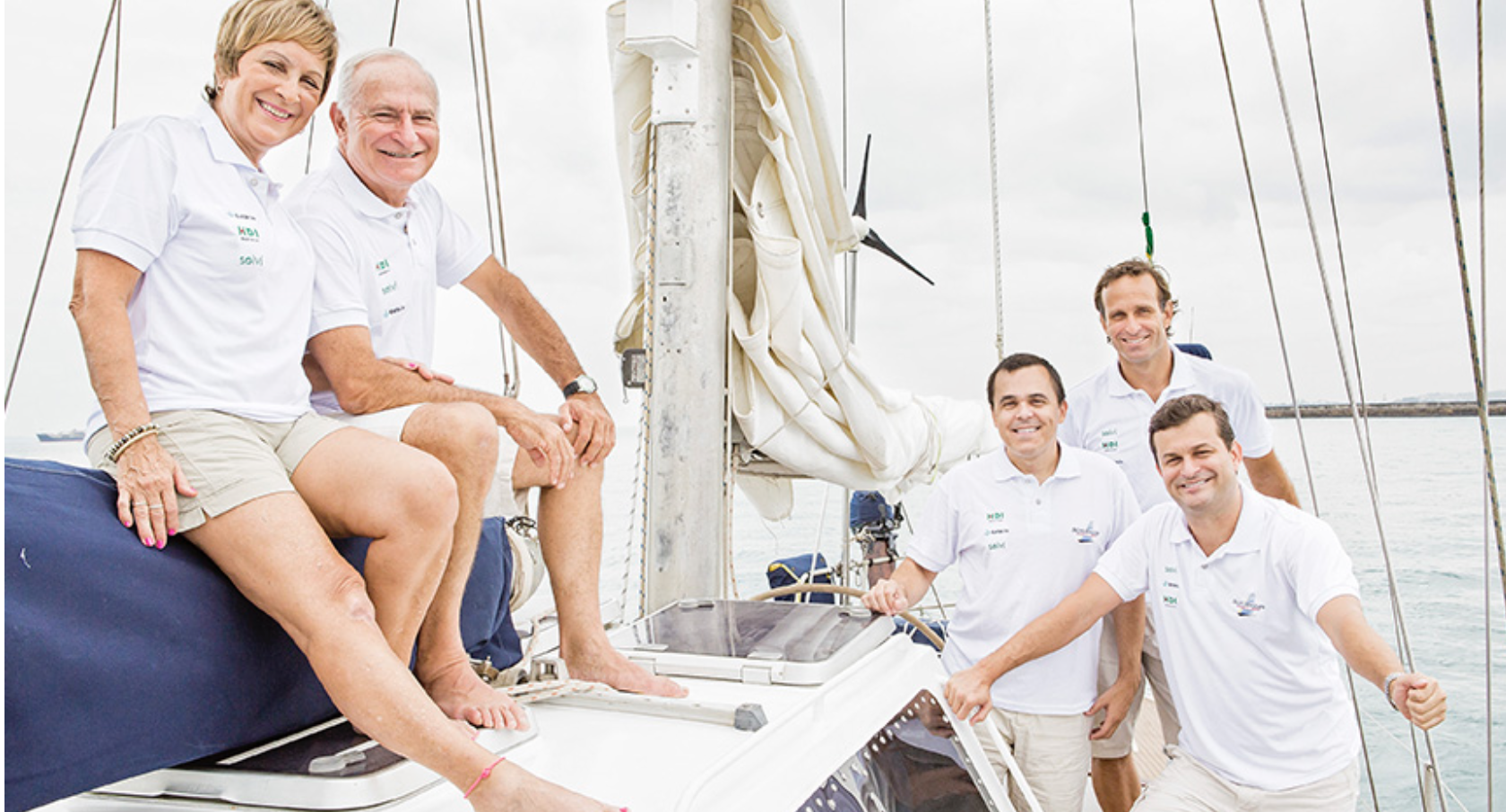
Pictures: Copyright © Schurmann Filmes 2025. All rights reserved.
“Documentaries are great because they teach you to make the best with what you have. The director has to think fast and solve problems, stay flexible.”
Dolabella: And what was it like making the transition from documentaries to fiction?
Schurmann: It’s very different. Documentaries are great because they teach you to make the best with what you have. The director has to think fast and solve problems, stay flexible. What’s different about fiction is directing actors. I had to prepare myself thoroughly for my first feature film. I attended several workshops with Judith Weston in the US on directing actors. Today, I’m passionate about working with actors. I directed “Little Secret” and then “My Penguin Friend”, which was quite a “jump”, since it as it was an international production with famous actors, and more than 160 people from 27 countries working on it, and immense pressure for the film to be a commercial success.
Dolabella: And the was cast from different countries – did you direct the actors in different languages?
Schurmann: We spoke four languages on the set, Spanish, Portuguese, French and English.
Dolabella: Did it stress you out a lot?
Schurmann: As I grew up travelling the world, I was used to switching languages. I was really nervous before filming began because of the whole pressure. Also, everyone in the film industry says, ‘Don’t work with children, animals or on water.’ And we were going to do all three in this film. In other words, we did everything you’re theoretically not supposed to do. But it was a brilliant production, really great. We also managed to convince the Americans to film in Brazil, which is an extremely difficult, because they usually go where there are more tax incentives for filming. We filmed in the Angra dos Reis, in Parati (in Brazil) and in Patagonia. Oost-production was in Spain, and the release was worldwide.
Dolabella: What projects are you working on at the moment?
Schurmann: I’m finishing a film called “Por um fio”, based on a book by doctor Drauzio Varella. It’s a fantastic project, with a phenomenal Brazilian cast, including Othon Bastos, Zezé Motta, Sandra Coveloni, Bruno Gagliasso and other incredible actors. The film is extraordinary. It’s set in the 70s and 80s and tells the story of this doctor, his brother and the history of the Brazilian National Health Service (SUS). We talk about the importance of public health. It’s both a commercial and an art film.
Dolabella: Any other projects?
Schurmann: I have a project I was going to shoot before the pandemic, it’s called ‘Aleppo’, about an American journalist and a young Syrian. A very nice project too.
Dolabella: Will you be filming in Syria this time?
Schurmann: In Jordan. It’s an absolutely important story for the times we live in, because it explores the relationship between this journalist, this young boy and what these societies were like before the wars. The film begins just before the conflict in the city of Aleppo broke out and shows what happens to these children in these war situations. This journalist, who was normally living there just to report on events in the country, suddenly finds herself unable to flee when the war breaks out. The story shows what sometimes drives people to leave their country. We need to view these migrants with a different perspective. A great story.
Dolabella: What made you want to tell this story?
Schurmann: When they sent me the script, I put off reading it for a while, because I thought, “Oh no… a child suffering again – I’ve already made a film about my sister, who had HIV and suffered a lot. Not again…” But I have a good friend who really insisted I read the script. When I read it, I really thought, “I need to tell this story”. I kept wondering for sometime who I could take this kind of film to for production. It needed to be an international. A friend of mine who is a producer since a long time had started his own company. He loved the project.
Dolabella: Tell us, David, of all the things a film director does, what do you like best?
Schurmann: I enjoy every stage of the process, which is why I immerse myself so deeply in every film. That´s why I don´t do a quick film every year. I really love working on the script. Then, obviously, the shooting is a very stressful time, but it is there, working with the actors, that you see your dreams coming true. Afterwards, editing has always been the hardest part for me, but I’m having a very positive experience at the moment, so that perspective is changing. Then comes the release of the film in the cinemas, which is really cool but also a terrifying phase. Because that’s when your ‘child’—this film you’ve ‘created’ and worked hard on for 4, 5 or 6 years goes out into the world to face the judgement by everyone. That’s really hard: we suffer a lot, we cry… But it’s part of the process. You cannot say “it rained that day” or “that did not work, like we had planned…” You have to deliver the film with the best you’ve managed to reach. The best of everything you’ve got.
“100%. Every work I create, every film I make,
I want to live and experience intensively.”
Dolabella: There are some people that think creative work isn’t a “real” work.
Schurmann: Oh dear… The amount going to meetings around this world to make each film is madness! Before, during and after every film: It’s a lot, a lot, a lot of work. People think of the actual shooting days, which takes between 5 and 12 weeks. But you have to work at least three years beforehand: on the script, researches, securing funding, convincing loads of people to join the film. Then you shoot very quickly, and afterwards you have a period of at least a year of editing, post-production and preparing for the release. It’s many years of your life working intensely on a project. I joke sometimes that for every film I make, I give a little piece of my soul.
Dolabella: So for you it´s total dedication for years for every film.
Schurmann: 100%. Every work I create, every film I make, I want to live and experience intensily. I work a lot. One thing I’ve managed to do now, after my third fiction film, is to enjoy the journey a bit more. Before, I suffered a lot during those years of process. But today I think: I need to enjoy the journey too, since each film takes up so many years of my life.
“You have to believe in your idea, but also go with the flow of the production. I see many talented people who end up failing to make a film because they’re too stubborn.”
Dolabella: And what advice would you give to someone thinking of starting a career in film directing?
Schurmann: First of all, perseverance. I know plenty of people who’ve given up in this industry, because it really is very hard. People need to get to know you, to understand what you do. And for one self, when things don’t go exactly as you thought they woul, you have to go with the flow. You have to believe in your idea, but also go with the flow of the production. I see many talented people who end up failing to make a film because they’re too stubborn. You have to have a certain stubbornness, but you also have to be flexible sometimes. And you need a lot of courage too. The sea taught me to have courage. The courage to jump in unknown waters, to get knocked about sometimes and also to make mistakes and keep on going – because we always want to get it right, but that´s not possible. So, I think perseverance is the first thing. And then you have to love this job, a lot, because there´s a real struggle on this journey. As they say: “To make a film, at the start, you need to push a big rock up a hill. When you manage it, you let go of the rock and then you run away because the boulder comes running after you.” On a certain point things will go then really fast, but there is a lot of work, dedication, patience and perseverance before that happens.
Dolabella:Thank you for the interview, David. We wish you every success with your upcoming films!